Project Scope
Hydrogen transportation projects can be implemented on an EPC basis, covering the complete value chain:
- On-site hydrogen production using green hydrogen technologies
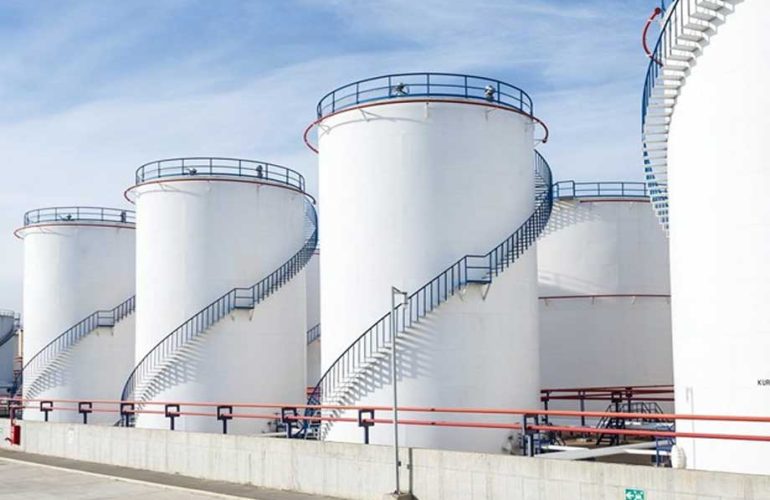
- Compression, storage, and dispensing systems
- Integration with renewable energy sources such as solar power
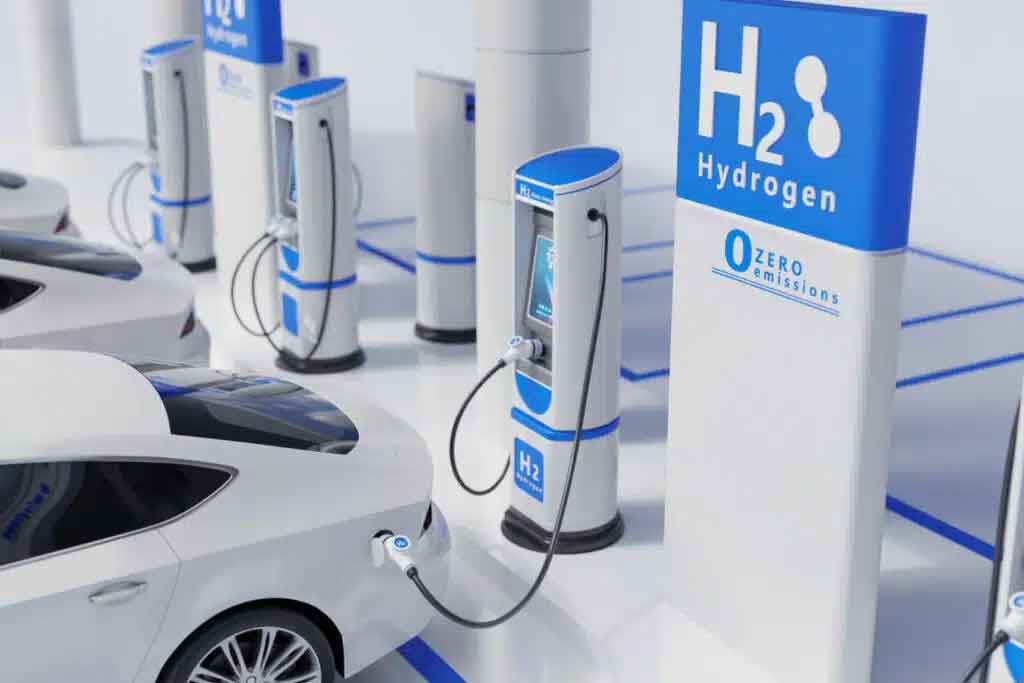
- Hydrogen refueling stations for light-duty and heavy-duty vehicles
- Safety, control, and monitoring systems compliant with international standards
Benefits of the Project
- Reduction of Urban Air Pollution
Hydrogen vehicles produce zero tailpipe emissions, significantly improving air quality in densely populated cities. - Energy Independence and Security
On-site hydrogen production reduces dependence on imported fuels and centralized energy supply chains. - High Energy Efficiency
Hydrogen-powered vehicles offer higher efficiency compared to internal combustion engines, particularly in heavy transport and public transit. - Scalable and Future-Ready Infrastructure
Hydrogen refueling systems can be expanded in parallel with fleet growth, supporting long-term urban mobility planning. - Support for a Low-Carbon Economy
These projects directly contribute to decarbonizing the transportation sector and achieving national and international climate targets.
Strategic Impact
Hydrogen transportation infrastructure plays a critical role in the development of smart cities, clean mobility corridors, and sustainable public transport systems. By combining renewable energy generation with localized hydrogen supply, cities can accelerate the adoption of hydrogen vehicles while reducing energy costs and environmental impact.
Technologies Applied
- Green hydrogen production systems
- Hydrogen storage and refueling technologies
- Renewable energy integration
- Safety and control systems for hydrogen mobility
- EPC project management and execution