Project Concept and Technical Overview
In this project, green methanol is produced by combining green hydrogen with captured carbon dioxide, instead of reforming natural gas. The process typically involves:
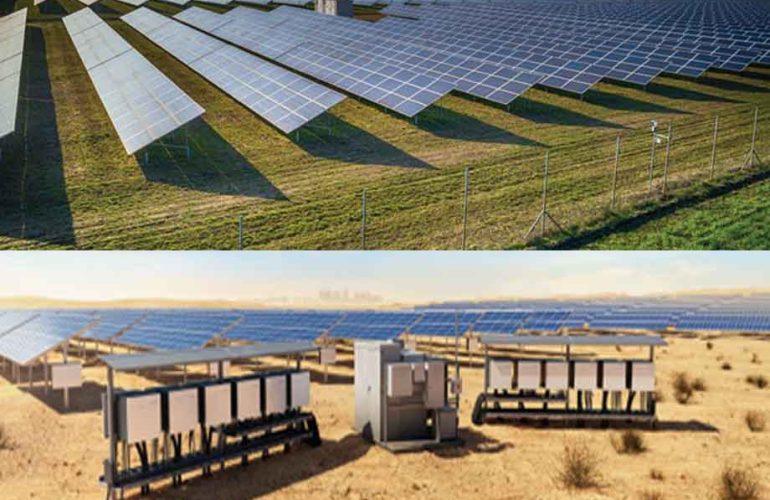
- Green hydrogen production via water electrolysis powered by renewable energy sources such as solar or wind.
- Carbon dioxide capture from industrial flue gases or other concentrated CO₂ sources.
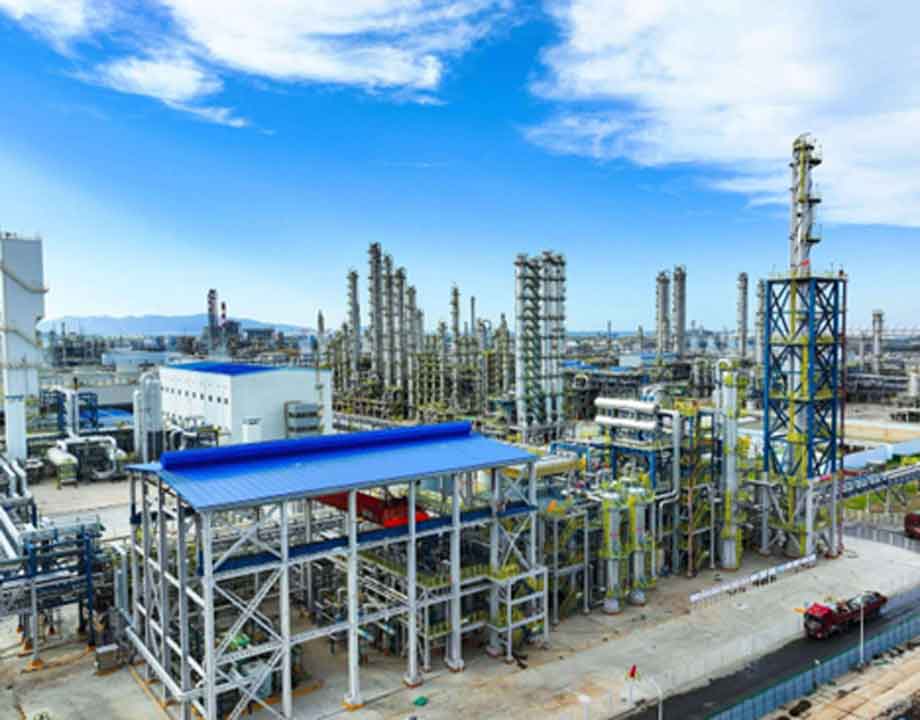
- Methanol synthesis, where green hydrogen reacts with CO₂ to produce green methanol and water.
This pathway transforms carbon dioxide from a liability into a valuable feedstock, enabling carbon recycling while producing a clean and versatile fuel.
Project Benefits
- Elimination of Natural Gas Dependency
Green hydrogen replaces fossil-based hydrogen and syngas derived from natural gas, reducing exposure to gas supply shortages. - Significant Emission Reduction
By utilizing captured CO₂ and renewable hydrogen, the project dramatically lowers lifecycle greenhouse gas emissions. - Export-Oriented Green Product
Green methanol is in high demand across regional and international markets, particularly in Europe and Asia, due to tightening carbon regulations. - Compliance with Carbon Regulations
With the enforcement of CBAM (Carbon Border Adjustment Mechanism) from 2026, low-carbon methanol production becomes essential for maintaining export competitiveness. - Versatile Industrial Applications
Green methanol can be used as:- A petrochemical feedstock
- A clean marine fuel
- An energy carrier for hydrogen
- A low-carbon alternative fuel for power generation and transportation
Strategic Importance
Green methanol is rapidly emerging as a key enabler of the global energy transition, especially in hard-to-abate sectors such as shipping, petrochemicals, and heavy industry. By developing green methanol production capabilities within a Hydrogen Hub framework, this project strengthens national energy security, supports industrial decarbonization, and creates a high-value export product aligned with future energy markets.
Technologies Applied
- Renewable-powered water electrolysis systems
- Green hydrogen production and conditioning units
- CO₂ capture, purification, and compression systems
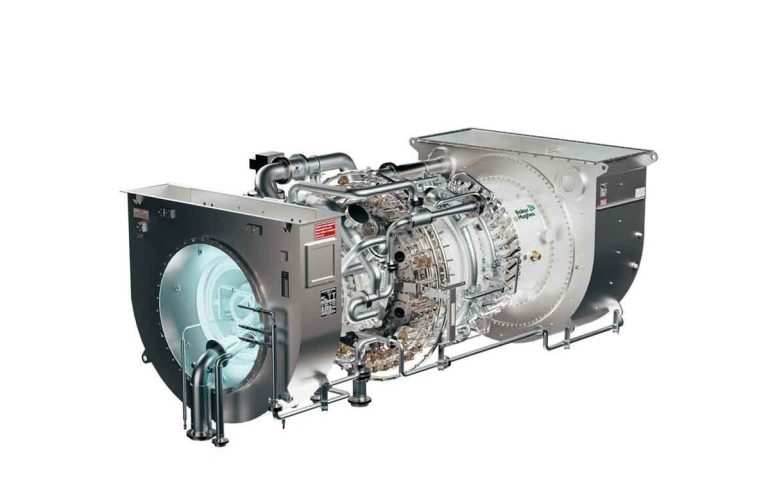
- Methanol synthesis reactors and catalytic systems
- Process control, safety, and monitoring systems
- Energy efficiency and emissions reduction technologies