Project Benefits
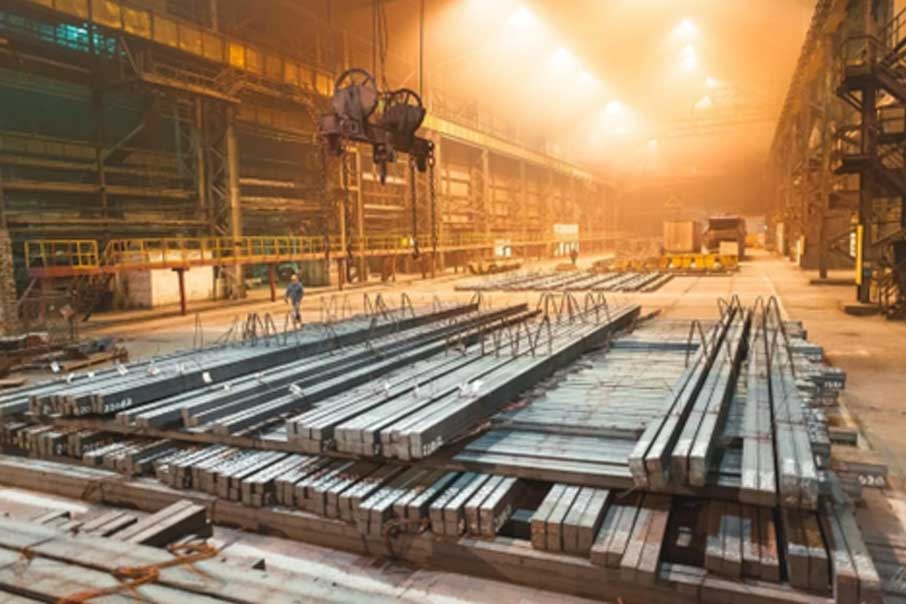
In hydrogen-based steelmaking, iron oxides are reduced using hydrogen, producing metallic iron and water vapor as the primary outputs. Unlike conventional processes, no carbon dioxide is generated during the reduction stage. The resulting water vapor can be recovered, condensed, and reused within the system, creating a highly efficient and circular process.
By utilizing renewable-powered hydrogen production systems, this approach enables the production of high-purity iron suitable for advanced steel grades, commonly referred to as green steel. Green steel is increasingly becoming the global benchmark for low-carbon steel production and is expected to dominate future international markets.
- Reduction of Natural Gas Consumption
Green hydrogen can replace a significant portion (or up to 100%) of natural gas used in steel reduction processes, directly addressing fuel supply imbalances. - Low-Carbon and Climate-Aligned Production
Hydrogen-based reduction eliminates CO₂ emissions associated with traditional steelmaking, supporting national and international climate targets. - High-Quality Steel Output
The hydrogen reduction process enables the production of high-purity iron and premium steel products. - Energy Security and Industrial Resilience
On-site or dedicated hydrogen supply increases resilience against gas shortages and energy price volatility. - Export Competitiveness
Beginning in 2026, the European Carbon Border Adjustment Mechanism (CBAM) will impose carbon-related costs on carbon-intensive imports. Transitioning to green steel production is essential for maintaining access to European and global export markets.
Strategic Importance
As the global adoption of green hydrogen accelerates (particularly in steel, ammonia, urea, and methanol production) hydrogen-based industrial projects are becoming a cornerstone of sustainable economic development. Green steel is no longer a niche concept; it is rapidly becoming an industrial and commercial requirement for export-oriented producers.
Projects of this nature enable industries to move beyond compliance and toward long-term competitiveness, environmental responsibility, and energy system sustainability.
Technologies Applied
- Renewable-powered hydrogen production systems
- Water electrolysis technologies
- Hydrogen integration in DRI steelmaking
- Industrial hydrogen handling, safety, and control systems
- Energy efficiency and emission reduction solutions