Hydrogen Hub Concept
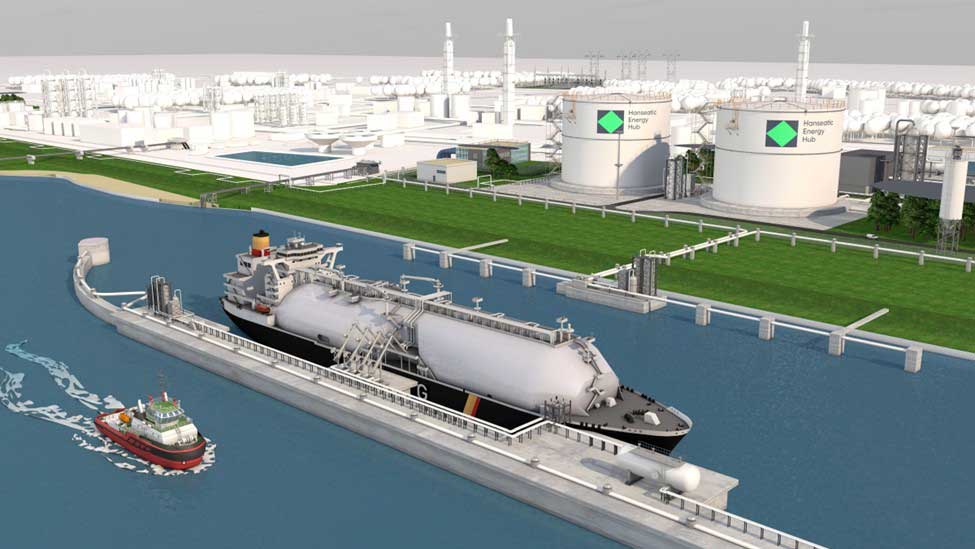
A hydrogen hub is designed as an integrated system that includes:
- Green hydrogen production via renewable-powered electrolysis
- Recovery and utilization of hydrogen currently lost through industrial flaring
- Compression, storage, and distribution infrastructure
- Supplying hydrogen as a process feedstock, energy carrier, or blending component with natural gas
This approach transforms hydrogen from a by-product or wasted resource into a valuable industrial and energy asset.
Benefits of the Project
- Utilization of Flared and Underutilized Hydrogen
In industrial hubs such as Asaluyeh, hydrogen produced as part of petrochemical and refining processes is often flared. Hydrogen ring and hub systems enable recovery and productive use of this resource. - Reduction of Natural Gas Dependency
Hydrogen can partially replace natural gas in industrial processes, helping mitigate seasonal and structural gas shortages. - Lower Emissions and Environmental Impact
Capturing and using hydrogen significantly reduces flaring-related emissions and supports national decarbonization goals. - Industrial Energy Security
A shared hydrogen infrastructure enhances supply reliability for multiple industries within the hub. - Cost Optimization for Industries
Centralized hydrogen production and distribution reduce unit costs compared to isolated systems. - Export-Oriented and Regional Scalability
Hydrogen hubs near coastal regions such as Makran create opportunities for future hydrogen and derivative exports, including ammonia and methanol.
Strategic Importance of Asaluyeh and Makran
- Asaluyeh:
Concentration of petrochemical, refining, and gas-processing facilities with existing hydrogen streams and high energy demand. - Makran Region:
Strong solar and wind potential, access to seawater for electrolysis, and proximity to international shipping routes, making it suitable for large-scale green hydrogen production and export-oriented projects.
Regional Expansion Potential
The hydrogen hub model developed under this project can be replicated across Middle Eastern industrial zones, supporting regional energy transition efforts, cross-border hydrogen trade, and long-term energy security.
Technologies Applied
- Renewable-powered electrolysis systems
- Hydrogen recovery and purification units
- Compression, storage, and pipeline distribution systems
- Safety, monitoring, and control systems
Integrated EPC-based project development framework