Project Concept and Scope
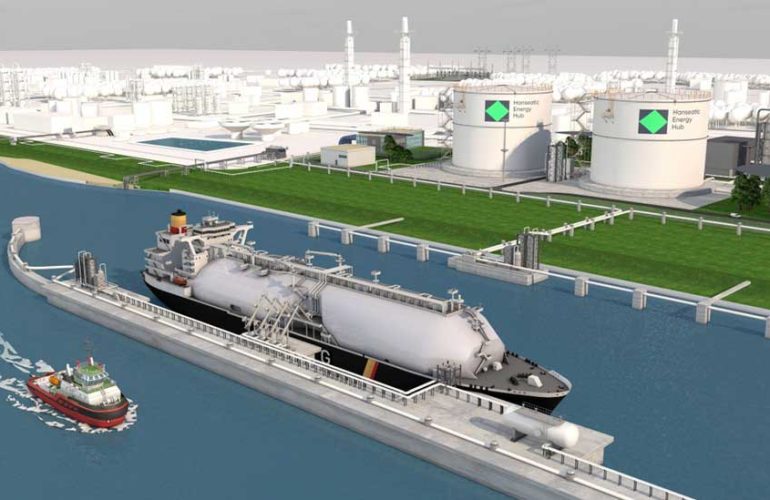
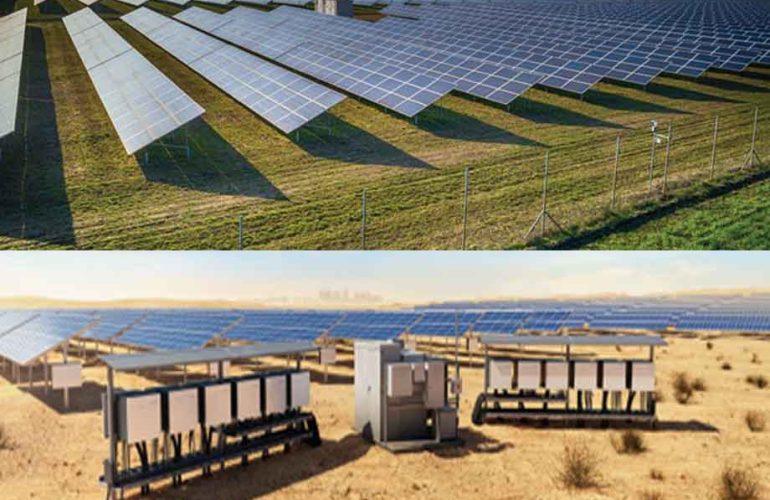
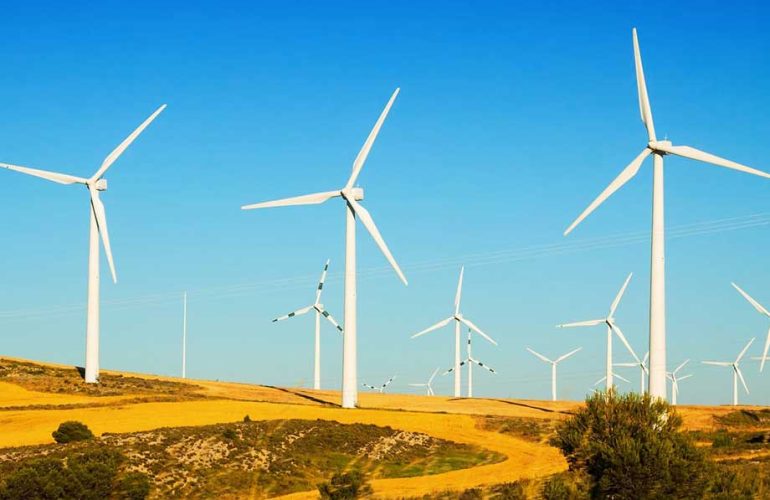
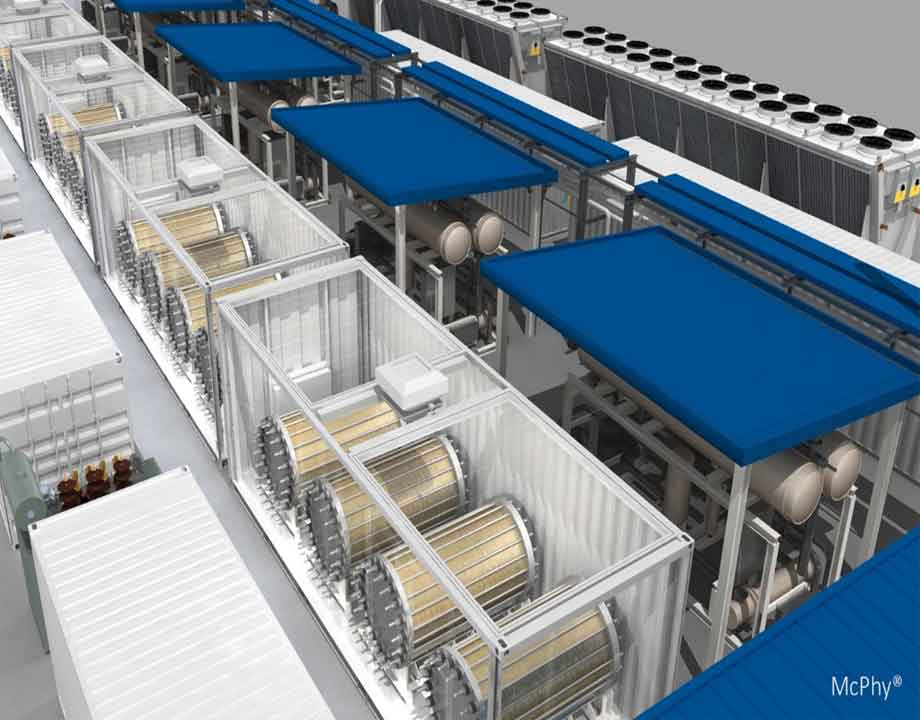
The project focuses on the on-site or near-site production of green hydrogen using renewable energy-powered electrolysis systems. Hydrogen is supplied directly to food-processing facilities and utilized in:
- Oil and fat hydrogenation processes
- Food-grade industrial processing requiring high-purity hydrogen
- Supporting energy systems where clean fuel is required
All project phases are delivered under a full EPC (Engineering, Procurement, and Construction) framework, ensuring seamless integration with existing food-industry infrastructure.
Benefits of the Project
- Ensuring Production Continuity
On-site hydrogen production minimizes exposure to gas supply interruptions and energy shortages. - High-Purity, Food-Grade Hydrogen
Green hydrogen produced via electrolysis meets stringent quality requirements for food processing and hydrogenation applications. - Improved Product Quality and Safety
Clean hydrogen contributes to consistent processing conditions and higher product purity. - Reduced Environmental Impact
Replacing fossil-based hydrogen significantly lowers greenhouse gas emissions and environmental footprint. - Energy Cost Optimization
Renewable-powered hydrogen production stabilizes long-term energy costs and reduces exposure to fuel price volatility. - Compliance with Sustainability and Export Standards
Supports alignment with international environmental regulations and future carbon-related trade mechanisms.
Strategic Importance for the Food Industry
Food production is directly affected by energy disruptions, with consequences such as:
- Raw material spoilage
- Interrupted production lines
- Increased operational and maintenance costs
Green hydrogen provides a secure, scalable, and sustainable solution that enhances energy resilience while enabling the food industry to transition toward low-carbon and future-ready production systems.
Technologies Applied
✔ Engineering and feasibility assessment
✔ System design and equipment selection
✔ Procurement of certified components
✔ Construction, installation, and commissioning
✔ Operation support and technical training