Project Concept and Scope
The project focuses on the production, supply, and controlled distribution of green hydrogen to cement plants, where hydrogen is used either as:
- A blended fuel with natural gas in cement kilns, or
- A partial substitute fuel during periods of gas shortage
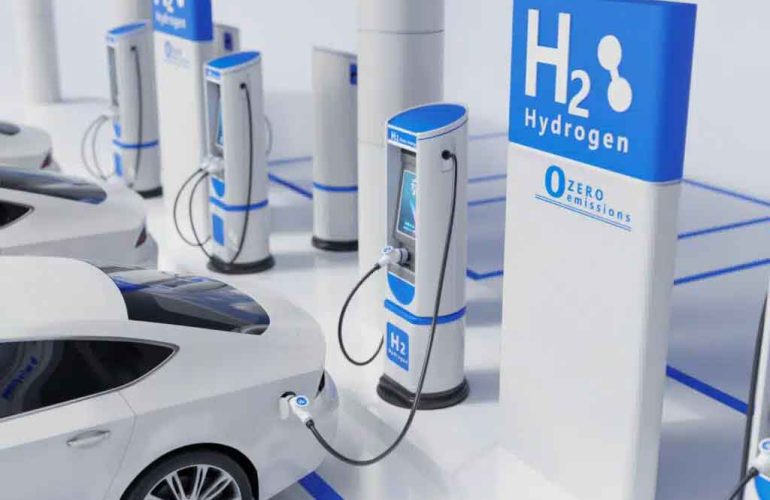
Green hydrogen is produced via water electrolysis powered by renewable energy sources and is delivered on-site or via localized hydrogen infrastructure, ensuring fuel availability even during gas curtailment periods.
Addressing Gas and Production Imbalance in Cement Plants
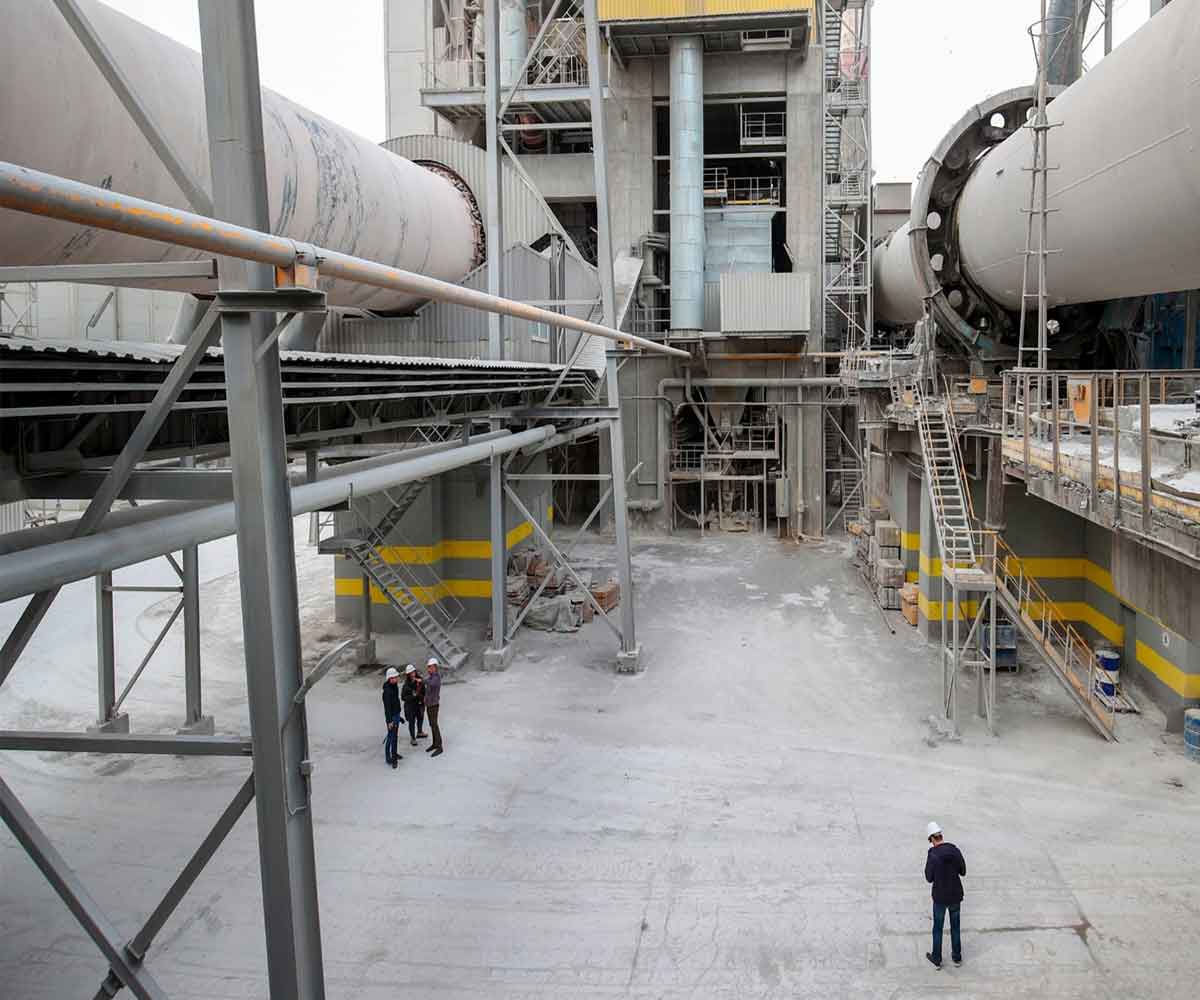
Natural gas shortages directly impact kiln operation, leading to:
- Forced shutdowns or reduced production capacity
- Increased operational instability
- Higher maintenance costs and clinker quality fluctuations
By integrating green hydrogen into the fuel mix, cement plants can maintain continuous operation, stabilize thermal input, and reduce vulnerability to seasonal gas supply constraints.
Benefits of the Project
- Mitigation of Natural Gas Imbalance
Hydrogen blending allows cement plants to reduce natural gas consumption while maintaining required kiln temperatures. - High Energy Content and Efficiency
Hydrogen has a lower heating value (LHV) approximately 5 times higher than natural gas, enabling efficient thermal energy delivery with lower fuel mass flow. - Minimal Process Modification
Controlled hydrogen blending can be implemented without major changes to existing kiln systems, burners, or process control infrastructure. - Reduced Emissions and Environmental Impact
Hydrogen combustion produces no CO₂, contributing to lower overall emissions intensity in cement production. - Operational Resilience
Ensures stable cement production during peak gas demand periods and enhances energy security for industrial plants. - Alignment with Future Carbon Regulations
Supports compliance with international decarbonization targets and upcoming carbon pricing mechanisms affecting exports.
Strategic Importance for the Cement Industry
The cement sector accounts for a significant share of industrial energy consumption and CO₂ emissions. Hydrogen integration represents a practical and scalable pathway toward:
- Decarbonizing thermal energy demand
- Securing fuel supply under energy imbalance conditions
- Enhancing competitiveness in regional and international markets
This project positions cement plants to transition gradually toward low-carbon production while safeguarding output and profitability.
Technologies Applied
- Renewable-powered green hydrogen production systems
- Hydrogen blending and fuel management units
- Kiln fuel injection and control systems
- Safety, monitoring, and gas analysis systems
- Energy optimization and emissions reduction technologies